Signs Your Historical Pasadena Home Needs an Attic Decontamination
Why historical homes show attic contamination sooner
Historical homes often carry original framing, vintage plaster ceilings, and older ventilation layouts. Those details let contaminated air move more freely between attic and living space. In San Diego County’s urban core, homes from the 1920s through the 1960s in Mission Hills, Hillcrest, North Park, South Park, University Heights, Normal Heights, and Kensington show the same pattern. Many still hold original cellulose or vermiculite insulation layered with decades of dust, droppings, and moisture staining. That is why a homeowner in a historical Pasadena property who notices new odors or allergy flareups should read these same attic decontamination signals. The construction realities match closely, and so do the risks.
This article focuses on attic cleaning and decontamination signals and the integrated fix that pairs attic clean up and rat proofing across San Diego County. The goal is simple. Identify when an attic has moved from messy to hazardous, and outline what a professional team does to remediate it without spreading contamination through the home.
How to recognize contamination that calls for professional decontamination
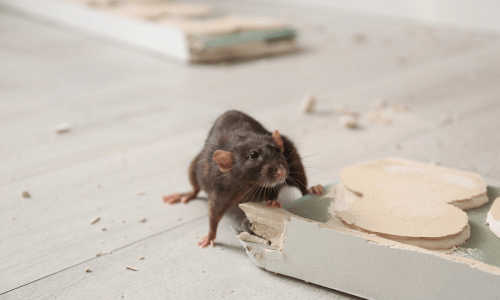
Rodent activity rarely announces itself during the day. It leaves physical markers. Roof rats, the dominant species in San Diego’s Mediterranean climate, travel rafters and wiring runs at night. They leave droppings, urine trails, grease marks on beams, and shredded insulation nests. In coastal neighborhoods like La Jolla, Pacific Beach, Del Mar, and Solana Beach, marine-layer humidity keeps odors active. Inland in Mira Mesa, Rancho Bernardo, Scripps Ranch, Carmel Mountain, Poway, and Escondido, summer attic temperatures exceed 130 degrees Fahrenheit. That heat drives more odor release and breaks down droppings into fine particulate that moves into living spaces through ceiling penetrations.
Historical homes show these red flags more quickly because return air pathways are leakier. Recessed lighting cans, imperfect plaster-to-lath junctions, and unsealed chases let the HVAC system pull attic air into bedrooms and living rooms when the system cycles. That is where decontamination, not simple debris removal, becomes necessary.
Specific signs that point to decontamination, not a light cleanout
Homeowners often ask what moves a project from tidy-up to biohazard cleanup. The following markers answer that. They show that biological residue, not just dust, is present and circulating.
- Persistent urine odor or strong musty smell that intensifies when the HVAC starts Rat droppings on or inside insulation, with scatter patterns along joists and near roof vents Urine-soaked fiberglass batts or cellulose with visible yellowing and hard clumping Chewed duct wrap or duct liner, with debris pulled into supply registers Recurrent allergy or asthma flareups with no other indoor source identified
Any one of these is a credible signal. Several together usually confirm the need for a professional attic decontamination that includes HEPA-filtered vacuum extraction, hospital-grade sanitizing agents, and full attic air sealing once the removal is complete.
Why San Diego properties get hit hard by roof rat contamination
San Diego County is one of the most roof-rat-pressured attic markets on the West Coast. The reason is structural, climatic, and botanical all at once. The Mediterranean climate allows year-round breeding. Fruit trees, palm trees, bougainvillea, and ivy create continuous food and shelter. Spanish tile roofs and clay tile details add convenient entry routes under lifted tiles. In coastal zones, marine-layer humidity boosts mold risk on the north side of roof sheathing. Inland, the 130-degree attic temperature reality accelerates contamination breakdown and reduces insulation R-value quickly.
Over 80 percent of attic contamination jobs in coastal and canyon-edge neighborhoods align with Roof Rat (Rattus rattus) rather than Norway rat or house mouse. Pasadena homeowners with mature trees and tile roofs see similar pressure. But in San Diego, the mix of tile, canyon corridors, and mild nights makes roof rat travel routes nearly permanent. The result is recurring entry unless rodent exclusion closes gaps at eaves, rooflines, and utility penetrations down to quarter-inch tolerance.
What a professional attic decontamination actually includes
Decontamination is not a sweep-and-go service. The process starts with containment and ends with air sealing. Every step is built to remove contaminated material and stop recirculation through the home. The work pairs well with attic clean up and rat proofing in one coordinated visit to prevent recontamination after cleaning.
Elements of a complete decontamination:
- Industrial HEPA-filtered vacuum extraction that lifts droppings and loose insulation without releasing dust into the living areas Plastic sheeting containment and sealed disposal bags so waste leaves the property without secondary contamination Thermal fogging with a hospital-grade EPA-approved disinfectant that reaches irregular surfaces, followed by ULV cold fogging for severe cases Targeted urine pheromone neutralization on runway beams and nest zones to stop scent-trail homing Documentation photos before, during, and after, so homeowners can see what was removed and what remains
For older urban properties near Balboa Park, Mission Hills, Hillcrest, North Park, and Kensington, the crew checks for vermiculite, which in pre-1990 installations can carry asbestos risk. That material requires controlled removal with negative air and specialized handling. In coastal La Jolla, Pacific Beach, and Coronado, the team inspects for mold on the underside of roof decking and addresses it during the same visit, using HEPA filtration and appropriate antimicrobial agents.
The HVAC return air pathway problem
Many San Diego homes, including mid-century designs in Clairemont, Allied https://westus1.blob.core.windows.net/attic-guard/san-diego/attic-clean-up-service-by-attic-guard-pricing-steps.html Gardens, and Del Cerro, show a specific airflow flaw. The HVAC return air pathway pulls air from the living space and, through ceiling penetrations and recessed lighting cans, pulls from the attic. When droppings and urine residue lie above those penetrations, particulate rides at the edges. Each time the system cycles, that particulate can enter the return stream. Homeowners then smell musty air through the vents or notice dust that returns days after cleaning.
This is why decontamination alone is insufficient. The attic must be air sealed after cleaning. That includes top plate sealing, chase sealing, recessed lighting can sealing with fire-rated covers or gaskets, plumbing stack sealing, HVAC duct penetration sealing, and an insulated attic hatch with perimeter weatherstripping. Once sealed, the HVAC stops pulling attic-borne contamination into the home.
Material selection after decontamination
Many historical homes and older properties need partial or full insulation replacement after removal. The right material depends on prior contamination, fire rating requirements, sound goals, and budget. In attics with prior rodent activity, cellulose treated with borates is often preferred because it resists pests and fills voids well. TAP Insulation, a borate-treated blown-in cellulose, is common across San Diego replacements after sanitation because it adds pest resistance without relying on pesticides. Owens Corning blown-in fiberglass, Knauf and CertainTeed fiberglass options, and GreenFiber cellulose all deliver consistent R-values when installed to depth.
For premium acoustic and fire performance, Rockwool mineral wool is available. Some high-performance projects add Icynene spray foam on roof decks, though foam changes ventilation strategy and must be considered with building science care. Title 24 in California points to R-38 minimum in many San Diego attic applications. Many inland homeowners opt for R-49 to help blunt the 130-degree attic heat in Mira Mesa, Rancho Bernardo, Carmel Mountain, Escondido, and El Cajon. The difference is visible on summer energy bills when combined with proper air sealing.
Rodent proofing integrated with cleanup
Cleaning without rodent exclusion invites a fast repeat. Rodent proofing closes current and likely entry routes. Crews inspect and seal eave gaps, soffit vents, attic clean up service gable vents, roofline penetrations, foundation cracks, plumbing and electrical conduit penetrations, garage door seals, and attic hatch perimeters. Quarter-inch galvanized hardware cloth is the chew-resistant screen standard. Steel wool packing provides bite deterrence for small penetrations behind exterior boxes. Weather-resistant sealant and, where appropriate, expanding foam reinforce gaps that do not carry structural load. Screens at roof vents, soffit vents, and dryer vents get reinforced to keep mesh spacing tight and permanent.
On Spanish tile and clay tile roofs common in La Jolla, Encinitas, Carlsbad, and Rancho Santa Fe, lifted tiles and broken edge pieces invite roof rat nesting and travel. Crews anchor and patch those points and close mortar voids. In older frame houses along canyons from North Park to Mission Valley, rats often climb ivy and bougainvillea to reach eaves. Pruning recommendations come with the exclusion, because landscape contact can defeat even perfect eave sealing.
Costs San Diego homeowners can expect in 2026
Decontamination scope varies widely. But the County’s price lanes are consistent enough for planning. Inspections are free. Entry-level cleanup specials that address minor droppings and a light sanitize often range $75 to $300. Standard decontamination and sanitization work usually runs $400 to $1,200. Cleanup with partial insulation removal can be $800 to $2,500. A full attic restoration that includes removal of contaminated insulation, HEPA vacuuming, sanitization via thermal and ULV fogging, air sealing, and new insulation commonly ranges from $3,500 to $7,000 depending on attic size, access, and complexity.
When homeowners add standalone rodent proofing without major cleaning, costs in San Diego often range from $600 to $2,500 based on entry point count and roof complexity. Those numbers align across the 92101 through 92130 corridor and into North County zips like 92024, 92029, 92064, 92078, 92083, 92084, and coastal 92008 through 92011. Written quotes should include photo documentation and a line-item plan for each entry repair and each sanitation step.
Edge cases and special handling
Pre-1990 vermiculite in urban core attics needs asbestos-era protocols regardless of how clean it looks. Disturbance without containment can release asbestos fibers if the material came from certain historical sources. Professional removal uses negative air pressure, HEPA filtration, and sealed disposal. In coastal humidity zones from Ocean Beach to Coronado and Del Mar, mild mold bloom on the underside of roof sheathing is common. It calls for targeted remediation after decontamination. On whole-house-fan homes in Scripps Ranch, Tierrasanta, and Rancho Penasquitos, uncontrolled fan openings can exchange large volumes of attic air with living space. Those assemblies must get sealed or fitted with insulated, gasketed covers that open only during fan use.
Fire risk inspection matters in any older property. Chewed electrical wiring has a distinct gnaw pattern and copper exposure that shows up during vacuuming and fogging. Coordinating a licensed electrician to inspect suspect runs after cleanup but before re-insulation is best practice. Chewed HVAC ducts, especially on longer runs in Rancho Bernardo and Poway attics, reduce airflow and can spread contaminated dust. Duct cleaning or duct replacement should be coordinated with the attic restoration timeline to avoid reintroducing debris to a cleaned space.
What changes the indoor air once the attic is cleaned and sealed
Homeowners often report two immediate differences after a full cleaning and sanitization. The first is odor elimination. Neutralizing urine compounds and removing droppings ends the nightly odor cycle that follows HVAC starts. The second is a decline in dusting frequency. Once attic air is prevented from entering through recessed lights and ceiling gaps, dust stops replenishing so quickly. In inland neighborhoods where heat previously drove attic odor into living areas, such as Escondido and El Cajon, the change is marked on the first hot day after the job finishes.
Those outcomes rely on airtightness. Air sealing is not a cosmetic step. Top plate sealing with foam or sealant, can light covers that meet fire code, rigid covers on whole house fan openings, gaskets around the attic hatch, and mastic on duct penetrations convert a leaky ceiling into a barrier. The result is better indoor air quality and sharper energy performance. Add R-38 or R-49 insulation depth with materials such as TAP Insulation, Owens Corning blown-in fiberglass, Knauf, CertainTeed, or GreenFiber, and the summer peaks stabilize faster.
Why this matters to buyers and sellers
Real estate inspections in Encinitas, Carlsbad, Oceanside, and the City of San Diego corridor routinely note rodent droppings and settlement of insulation. Sellers who address contamination and seal entry points avoid late escrow concessions. Buyers who inherit contamination often face higher costs later, because new activity returns quickly to scent-marked runways if exclusion is incomplete. Documented attic decontamination, rodent exclusion, and insulation replacement with clear photo sets help a listing stand out in tight North County markets along Highway 78 and coastal 101.
A shareable local fact many homeowners do not hear
In San Diego County, most single-family homes leak air from the house into the attic through ceiling penetrations. The HVAC return then backfills that pressure imbalance by drawing a small but steady flow of attic air into the living space. That means attic contamination rarely stays in the attic. Each cooling or heating cycle can move fine particulate from droppings and degraded insulation across the ceiling plane. This linkage is why pairing attic clean up and rat proofing with air sealing is such a strong fix. It treats the source and the pathway at the same time.
What happens during the first site visit
The first visit should not involve any demolition. A technician documents conditions with photographs, identifies droppings, nests, chewed materials, and visible mold, and maps entry points. In San Diego, that often means climbing onto the roof to check lifted Spanish tiles in La Jolla or cracked ridge caps in inland areas, then inspecting eave returns, soffits, gable vents, and utility penetrations. The written quote should include the scope for HEPA extraction, thermal and ULV fogging, urine pheromone neutralization, air sealing itemization, and the proposed insulation material and R-value.
Expect a clear separation between sanitation steps and exclusion work, even if performed on the same day. That clarity lets a homeowner understand what stops contamination now and what prevents the return. For homes near canyon edges in North Park or Rancho Santa Fe, crews may add recommendations for trimming bougainvillea and ivy away from eaves to prevent direct rat climbs.
Choosing insulation for older framing and tight eaves
Framing in historical and mid-century homes often presents tight eave spaces and uneven cavities. Blown-in cellulose such as TAP Insulation flows into irregular bays and can improve acoustic comfort while meeting R-38 or R-49 goals. Where homeowners prefer fiberglass, Owens Corning and Knauf blown-in products perform well with proper baffle installation at soffit vents to preserve ventilation. GreenFiber cellulose remains a solid value choice for full-depth coverage. Rockwool mineral wool batts provide resilience and high fire resistance around chimneys and can lights that meet clearance rules. Any selection should include baffles at soffit vents, clear ventilation paths to ridge or gable vents, and insulation rulers to verify final depth.
Coastal humidity versus inland heat in the decontamination plan
Along the coast in La Jolla (92037), Pacific Beach (92109), and Coronado (92118), marine-layer humidity drives surface growth of mold on north-facing roof sheathing sections. Decontamination plans here include more attention to underside sheathing sanitation and ventilation balance. In inland zones accessed via Interstate 15 and Highway 78, including Escondido (92029), Poway (92064), San Marcos (92078), and Vista (92083-92084), summer attic temperatures above 130 degrees push more odor and volatile compounds from urine residue. Plans here emphasize faster removal, more aggressive air scrubbing during work, and R-49 re-insulation paired with attic air sealing to slow thermal cycling that agitates residue.
What successful attic clean up and rat proofing looks like on day 30
Thirty days after a full restoration, residents notice steady indoor air, no returning odor when the HVAC starts, and little to no new debris around ceiling registers. Random scratching at night stops. If the home sits near canyons in Mission Valley or alongside Lake Hodges or Daley Ranch in Escondido, exterior monitoring remains wise. But sealed entry points hold, and landscaped climb paths trimmed during the project keep rodents searching elsewhere. In short, when the attic clean up and rat proofing work is integrated and complete, the attic becomes a quiet, insulated buffer again rather than a contamination source.
Why pairing documentation with warranties matters
Attic work occurs out of sight. Photo documentation before, during, and after is the homeowner’s window into actual conditions. It also records the location of sealed entry points, which supports a lifetime warranty on those seals. In San Diego County, many competitors offer 30-day or one-year coverage on exclusion. Lifetime coverage on sealed entry points is a stronger promise in a roof-rat market. If a rodent finds a new path later, the team returns to locate and seal it without additional charge under that warranty structure. That reinforces the durability of the one-visit integrated cleanup and exclusion plan.
Service coverage and response expectations across the County
From an Escondido base in the 92029 zip code near Interstate 15 and Highway 78, a professional team reaches North County coastal cities like Encinitas (92024), Carlsbad (92008-92011), and Oceanside (92054-92058) with ease. The City of San Diego corridor from 92101 through 92130, including Carmel Valley, Mira Mesa, Rancho Bernardo, Scripps Ranch, and Carmel Mountain, is within regular same-day estimate reach via Interstate 5, Highway 56, and Interstate 805. East County cities like El Cajon (92019-92021), La Mesa (91941-91945), and Santee (92071) sit along Interstate 8 and Highway 67, which keeps response efficient. South Bay communities including Chula Vista (91910-91915), National City, and Imperial Beach are served daily. That footprint allows same-day photos and quotes for most active contamination calls.
What to ask before approving work
Three questions frame a smart decision. First, will the crew use industrial HEPA-filtered vacuum equipment and air scrubbers with HEPA filtration to avoid cross-contamination. Second, which hospital-grade EPA-approved disinfectant will be used, and will both thermal fogging and ULV cold fogging be applied if contamination is heavy. Third, what specific air sealing steps will follow removal and sanitation, and will those steps be documented. Material brand options for re-insulation should be presented in writing with R-38 and R-49 depth notes. A clear rodent proofing map should list each eave, soffit, gable vent, plumbing penetration, electrical conduit penetration, and garage door seal upgrade with the materials specified, such as quarter-inch galvanized hardware cloth, steel wool, and weather-resistant sealant.
How attic decontamination intersects with energy code and comfort
California Title 24 sets performance expectations that treat the attic as a critical energy boundary. Decontamination clears the path for compliant insulation depth and airtightness. When air sealing and R-38 to R-49 insulation are in place, comfort improves across microclimates. Coastal homes with heavy marine layer feel less clammy in the mornings. Inland homes cut peak cooling loads during afternoon heat. In all zones, cleaner attic air coupled with sealed penetrations relieves the HVAC of moving unintended attic air. That shortens runtime and can extend system life.
When the signs add up, act quickly
Rodent contamination does not improve with time. Each HVAC cycle pulls more particulate across the ceiling plane. Each hot day in Mira Mesa or Escondido drives more odor into bedrooms. Each humid morning in Pacific Beach or Coronado gives mold a better foothold on the shaded side of roof sheathing. Historical Pasadena homes share those dynamics through leaky ceiling assemblies and older ventilation patterns. Once droppings, urine odor, nests, and chewed ducts appear, the right fix is a coordinated attic clean up and rat proofing plan that includes HEPA extraction, hospital-grade sanitizing, air sealing, and new insulation to code.
Ready for professional help
Homeowners across San Diego County who need attic clean up and rat proofing can schedule a free attic inspection with photo documentation and a written quote before any work begins. AtticGuard operates from 510 Corporate Drive Suite F in Escondido 92029 with same-day estimates across the 92101 through 92130 City of San Diego corridor and all major North County, East County, and South Bay zip codes. The team integrates attic cleaning, decontamination, sanitization, rodent proofing, insulation removal and replacement, and air sealing in one coordinated service visit, so there is no need to coordinate multiple vendors. Entry points are sealed to a quarter-inch tolerance and covered by a lifetime warranty on sealed entry points. Technicians are NATE-certified and EPA-trained, and the contractor is CSLB-licensed under #1138505. Approved materials include TAP Insulation, Owens Corning, Knauf, CertainTeed, GreenFiber, Rockwool, and Icynene. For homeowners experiencing odor, droppings, or scratching above the ceiling at night, call +1-858-786-0331 to set up a same-day estimate. Ask for an attic clean up and rat proofing plan that documents every sanitation step and every seal from eave gap to conduit penetration, and get the attic restored to a clean, insulated, and closed space.
Attic Guard | Escondido Office
Business Name: Attic Guard
Address: 510 Corporate Dr # F, Escondido, CA 92029, United States
Primary Phone: +1 858-400-0670
Direct Line: +1 858-786-0331
Website: atticguardca.com/escondido
Connect With Us & Read Reviews
Yelp Reviews Facebook Instagram